Understanding Septic System Maintenance: A Comprehensive Guide

Maintaining a septic system is crucial for homeowners who rely on this method for wastewater treatment. Neglecting regular maintenance can lead to costly repairs, unpleasant odors, and even health hazards. In this comprehensive guide, we will explore the essential aspects of septic system maintenance, ensuring you have the knowledge to keep your system functioning efficiently.
What is a Septic System?
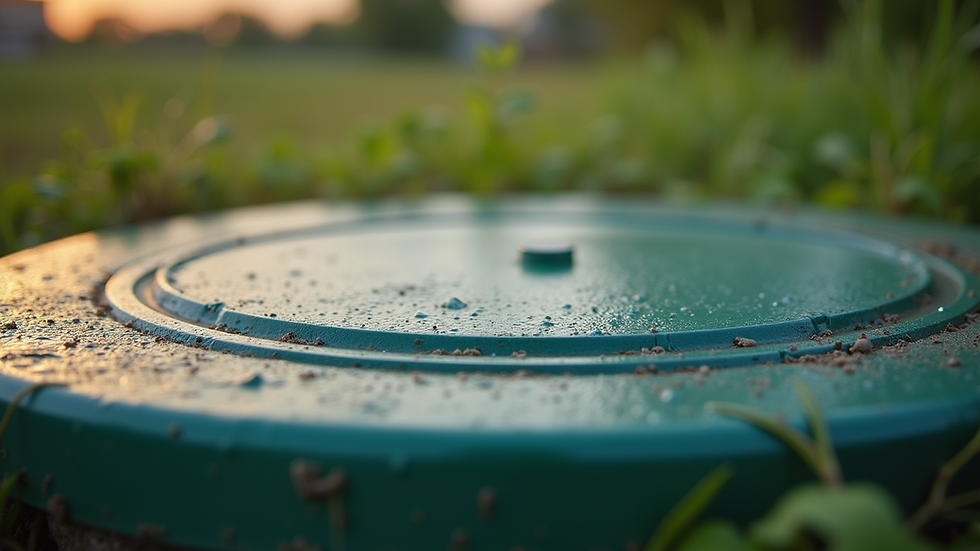
A septic system is an underground wastewater treatment structure commonly used in rural areas where centralized sewer systems are not available. It consists of a septic tank and a drain field. The septic tank collects and treats wastewater from your home, while the drain field disperses the treated effluent into the soil.
Components of a Septic System
Septic Tank: This is a watertight container that holds wastewater. It allows solids to settle at the bottom, forming sludge, while lighter materials like grease float to the top, creating scum.
Drain Field: Also known as a leach field, this area consists of perforated pipes buried in gravel or soil. It allows the treated effluent to percolate into the ground, where it is further filtered by the soil.
Soil: The soil plays a vital role in filtering and treating the effluent before it reaches the groundwater.
Importance of Regular Maintenance
Regular maintenance of your septic system is essential for several reasons:
Prevent Costly Repairs: Routine inspections and pumping can help identify issues before they escalate into expensive repairs.
Protect the Environment: A well-maintained septic system minimizes the risk of groundwater contamination, protecting local ecosystems.
Extend System Lifespan: Proper care can significantly extend the life of your septic system, saving you money in the long run.
Signs Your Septic System Needs Attention
Being aware of the signs that indicate your septic system may need maintenance can save you from significant problems. Look out for:
Slow Drains: If your sinks, toilets, or tubs are draining slowly, it may indicate a blockage in the system.
Unpleasant Odors: Foul smells around your yard or near the septic tank can signal a problem.
Pooling Water: If you notice standing water in your yard, especially near the drain field, it could mean the system is failing.
Gurgling Sounds: Unusual sounds from your plumbing can indicate a backup in the system.
Routine Maintenance Tasks
To keep your septic system in optimal condition, consider the following routine maintenance tasks:
1. Regular Inspections
Schedule a professional inspection every 1 to 3 years. A qualified technician can assess the system's condition, check for leaks, and ensure all components are functioning correctly.
2. Pumping the Septic Tank
Septic tanks should be pumped every 3 to 5 years, depending on usage and tank size. Regular pumping removes accumulated sludge and scum, preventing clogs and backups.
3. Monitor Water Usage
Be mindful of your water consumption. Excessive water use can overload the system, leading to failures. Implement water-saving practices, such as fixing leaks and using water-efficient appliances.
4. Proper Waste Disposal
Avoid flushing non-biodegradable items, chemicals, or grease down the toilet or sink. These materials can disrupt the natural processes in your septic tank and lead to clogs.
5. Maintain the Drain Field
Keep the area around your drain field clear of heavy objects, such as vehicles or large structures. This prevents soil compaction and ensures proper drainage.
Seasonal Maintenance Tips
Different seasons can impact your septic system's performance. Here are some seasonal maintenance tips:
Spring
Inspect for Damage: After winter, check for any signs of damage to the septic tank and drain field.
Clear Debris: Remove any debris or vegetation that may obstruct the drain field.
Summer
Monitor Water Usage: With increased outdoor activities, be mindful of water usage to prevent overloading the system.
Check for Odors: Warm weather can amplify odors; ensure there are no leaks or backups.
Fall
Prepare for Winter: Insulate exposed pipes to prevent freezing.
Pump the Tank: Consider scheduling a pumping before winter to ensure optimal performance.
Winter
Avoid Excessive Snow: Heavy snow can compact the soil above the drain field, affecting drainage. Keep the area clear.
Monitor for Freezing: Check for any signs of freezing in the pipes and ensure proper insulation.
Common Myths About Septic Systems
There are many misconceptions surrounding septic systems. Here are a few common myths debunked:
Myth 1: Septic Systems Don’t Need Maintenance
Fact: Regular maintenance is crucial for the longevity and efficiency of your septic system. Neglect can lead to costly repairs.
Myth 2: You Can Use Any Cleaning Products
Fact: Many household cleaning products can disrupt the natural bacteria in your septic tank. Use septic-safe products to maintain balance.
Myth 3: Flushing “Flushable” Wipes is Safe
Fact: Many products labeled as “flushable” do not break down in the septic system and can cause clogs.
Hiring a Professional
While some maintenance tasks can be performed by homeowners, hiring a professional is often the best choice for inspections and pumping. Look for licensed and experienced septic service providers in your area. They can offer valuable insights and ensure your system is functioning correctly.
Conclusion
Understanding septic system maintenance is essential for homeowners relying on this wastewater treatment method. By following regular maintenance practices, being aware of warning signs, and debunking common myths, you can ensure your septic system operates efficiently and lasts for years to come. Remember, a well-maintained septic system not only protects your home but also the environment. Take action today to keep your system in top shape!


Comments